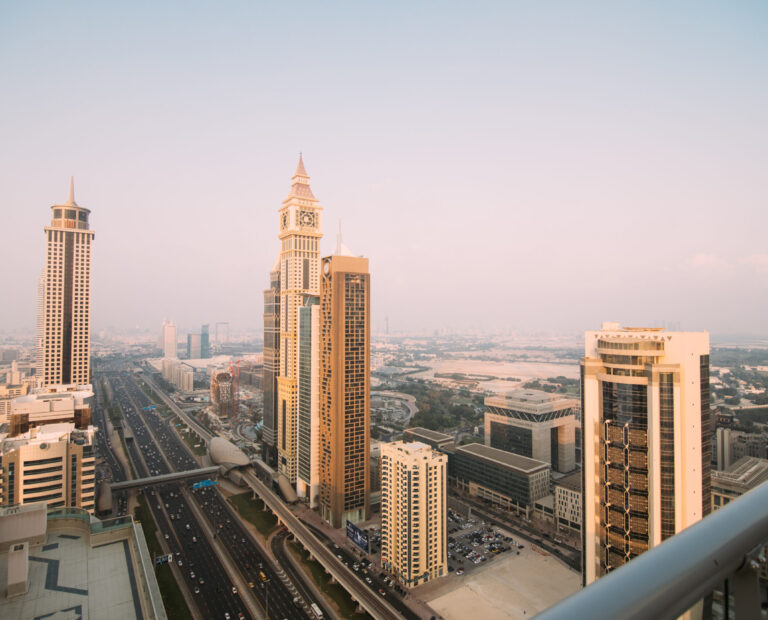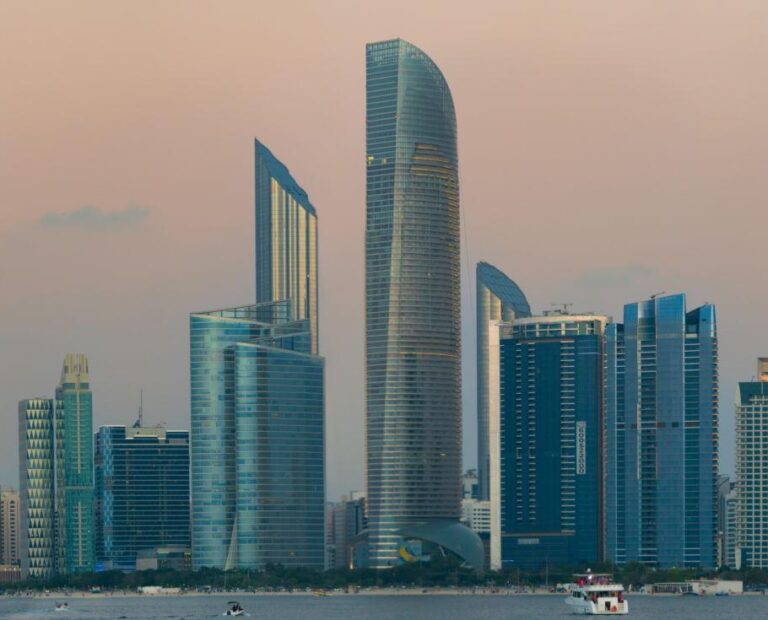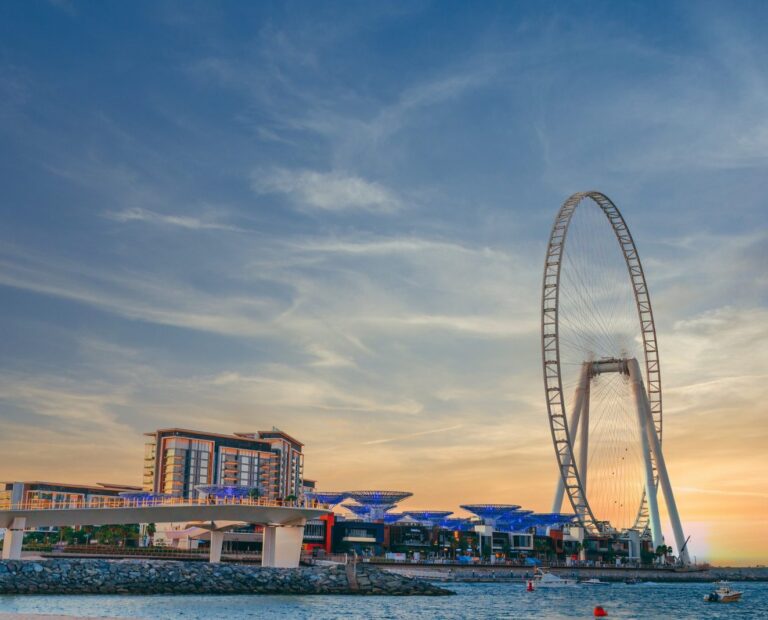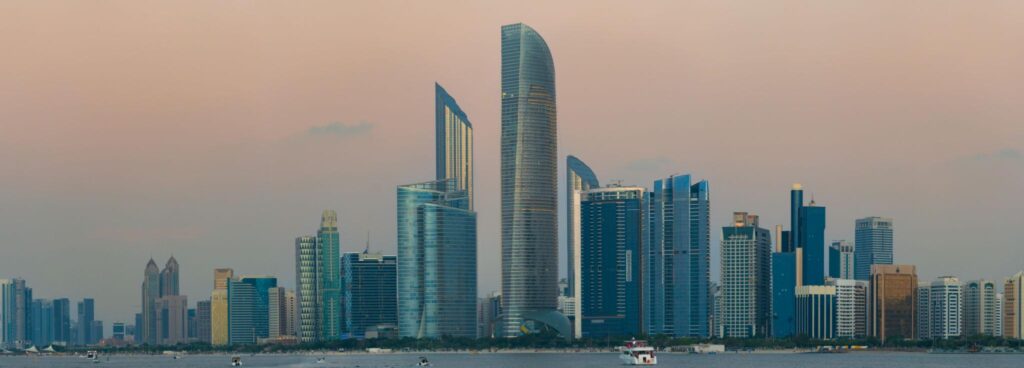

The narrative has officially shifted. By 2026, the Gulf Cooperation Council nations are no longer “oil-dependent economies in transition”—they have become diversified knowledge economies leading in sectors from renewable energy to artificial intelligence. The combined non-oil GDP of GCC nations now exceeds their hydrocarbon revenues for the first time in history, marking what economists are calling “The Gulf Economic Renaissance.”
The Diversification Dashboard: 2026 Sector Performance
Energy Transformation: From Consumers to Exporters
Solar Power Dominance:
The GCC now generates 45% of its electricity from solar, with ambitious targets:
2026 Solar Milestones:
- Saudi Arabia: 58GW operational capacity (world’s largest solar farm)
- UAE: 42GW with world’s lowest cost per kWh (1.2 cents)
- Qatar: 28GW focusing on solar-powered desalination
- Regional Grid: GCC Electricity Interconnection Authority managing cross-border flow
Green Hydrogen Export Leadership:
GCC nations have captured 38% of the global green hydrogen market:
Export Infrastructure:
- Ammonia Conversion Plants: Converting hydrogen for safe transport
- Specialized Ports: Three dedicated hydrogen export terminals
- Long-Term Contracts: 20-year agreements with European and Asian buyers
- Technology Licensing: GCC hydrogen patents generating $2.3 billion annually
Technology & Innovation Economy
AI Research Leadership:
The GCC’s investment in artificial intelligence has yielded remarkable returns:
2026 AI Metrics:
- Research Output: 12% of global AI papers from GCC institutions
- Startup Ecosystem: 3,200 AI-focused startups with $18 billion in funding
- Commercial Adoption: 74% of GCC businesses using AI in core operations
- Talent Pool: 280,000 AI professionals across GCC (45% GCC nationals)
Quantum Computing Race:
- UAE: First Middle East quantum computer operational at Technology Innovation Institute
- Saudi Arabia: $2.1 billion investment in quantum research through NEOM
- Qatar: Quantum communication network securing financial transactions
- Regional Collaboration: GCC Quantum Alliance coordinating research
Manufacturing Renaissance
Beyond Petrochemicals:
High-value manufacturing now represents 24% of GCC GDP:
Specialized Clusters:
- Aerospace: $12 billion annual revenue from aircraft components and MRO
- Pharmaceuticals: Vaccine production and advanced drug manufacturing
- Electric Vehicles: Desert-optimized EV production for global markets
- Advanced Materials: Carbon fiber and composites from petroleum byproducts
Additive Manufacturing Revolution:
- 3D Printed Construction: 35% of new affordable housing using 3D printing
- Spare Parts On-Demand: Digital inventories reducing logistics costs
- Custom Medical Devices: Patient-specific implants and prosthetics
- Traditional Craft Digitization: Combining heritage designs with modern manufacturing
The New Economic Engines: 2026 Growth Sectors
Fintech and Islamic Finance Fusion
Digital Banking Transformation:
GCC fintech now serves 82 million customers regionally:
Innovation Highlights:
- Blockchain Sukuk: $46 billion in digital Islamic bonds issued
- AI Sharia Compliance: Automated halal investment screening
- Cross-Border Payments: Instant GCC transfers at near-zero cost
- Financial Inclusion: Mobile-first banking reaching 94% of adults
Regulatory Leadership:
- Unified GCC Fintech License: Operating across all six nations
- Digital Currency Pilots: Central bank digital currencies in advanced testing
- Open Banking Mandates: Required API access for financial data sharing
- Sandbox Environments: Testing new products with regulatory support
Health Tech and Biotechnology
Medical Tourism 2.0:
GCC health tourism generates $14 billion annually with specialized offerings:
Center of Excellence Model:
- Dubai Healthcare City: Focus on complex surgeries and rehabilitation
- Riyadh Medical District: Specializing in genetic and chronic disease treatment
- Qatar’s Sidra Medicine: Women’s and children’s health global referral center
- Oman’s Mountain Wellness: Altitude-based therapy and natural healing
Research Breakthroughs:
- Desert Genome Project: Mapping unique genetic adaptations
- Heat Resilience Medicine: Treatments derived from desert organism research
- Telemedicine Platforms: Serving broader Middle East and Africa
- Medical AI Diagnostics: Specialized for regional disease patterns
Creative and Cultural Industries
Content Creation Economy:
The GCC has become a media production hub:
2026 Production Metrics:
- Film and TV: $3.2 billion annual production expenditure
- Streaming Content: Arabic original content viewed 28 billion hours annually
- Gaming Industry: 420 game development studios across GCC
- Animation and VFX: Serving global studios with region-specific expertise
Cultural Export Strategy:
- Museum Consulting: GCC museums advising global institutions
- Design Innovation: Traditional patterns in modern applications
- Culinary Tourism: Gulf cuisine gaining international recognition
- Fashion Week Circuit: Riyadh, Dubai, Doha competing with global fashion capitals
The Private Sector Transformation
SME Growth Engine
GCC Small Business Revolution:
- Number of SMEs: 4.2 million (42% growth since 2021)
- Contribution to GDP: 38% (target: 50% by 2030)
- Employment: 67% of private sector workforce
- Digital Adoption: 89% using cloud-based business tools
Government Support Ecosystem:
- Funding Access: $12 billion in dedicated SME financing
- Procurement Mandates: 25% of government contracts to SMEs
- Digital Infrastructure: Free or subsidized business software
- Export Assistance: Trade missions and market access support
Family Business Modernization
Fourth-Generation Transformation:
Traditional family businesses are successfully navigating digital transition:
Modernization Strategies:
- Professional Management: 68% now have non-family CEOs
- Digital Subsidiaries: Separate entities exploring new technologies
- Sustainability Integration: Aligning with national vision goals
- Succession Planning: Formalized using international best practices
Contribution Maintained:
- Economic Share: Still controlling 60% of GCC non-oil GDP
- Employment: 70% of private sector jobs
- Cultural Preservation: Maintaining traditions while innovating
- Philanthropy: $3.8 billion annual charitable contribution
The Labor Market Revolution
National Talent Development
GCC National Employment 2026:
- Private Sector Participation: 4.8 million GCC nationals (42% of private workforce)
- High-Skill Roles: 65% of nationals in managerial or technical positions
- Entrepreneurship: 28% of GCC nationals owning or starting businesses
- Gender Parity: Women comprising 48% of national workforce
Education-Industry Alignment:
- Curriculum Co-creation: Industry partners designing university programs
- Work-Integrated Learning: Mandatory internships in all degree programs
- Micro-Credentials: Skills-based certifications for rapid upskilling
- Lifelong Learning Accounts: Government-funded continuous education
Global Talent Attraction 2.0
Quality Over Quantity Approach:
- Talent Visa Programs: Fast-track for high-value skills
- Quality of Life Investments: Making GCC cities globally competitive
- Research Infrastructure: Attracting academic talent with world-class facilities
- Entrepreneur Ecosystems: Support for scaling global businesses from GCC
Remote Work Integration:
- Digital Nomad Visas: 320,000 issued across GCC
- Tax Advantages: 0% income tax for qualifying professionals
- Family Support: Education and healthcare for accompanying families
- Community Building: Structured integration programs
Regional Integration and Global Positioning
GCC Economic Unity Progress
2026 Integration Achievements:
- Common Market: 92% of goods and services freely traded
- Customs Union: Single external tariff with streamlined procedures
- Payment System: Instant cross-border transfers in local currencies
- Professional Mobility: Mutual recognition of qualifications
Economic Impact:
- Intra-GCC Trade: $280 billion annually (38% of total GCC trade)
- Investment Flows: $45 billion cross-border investment annually
- Supply Chain Integration: Regional value chains in multiple sectors
- Collective Bargaining: GCC negotiating as bloc in trade agreements
Global Partnership Strategy
East-West Bridge:
- Asian Partnerships: Deepening ties with China, India, Southeast Asia
- European Collaboration: Technology and sustainability partnerships
- African Development: Infrastructure and energy investments
- American Innovation: Venture capital and startup connections
Trade Agreement Network:
- Comprehensive Economic Partnership Agreements: 14 signed, 8 under negotiation
- Digital Economy Agreements: Facilitating cross-border data flows
- Green Trade Partnerships: Sustainable goods and services focus
- Services Liberalization: Professional services market access
Sustainability as Economic Strategy
Circular Economy Implementation
Waste-to-Value Chains:
- Construction Materials: 65% of demolition waste recycled
- Plastic Recovery: 78% of plastic waste entering circular systems
- Food Waste Valorization: Conversion to animal feed and energy
- Electronic Waste Mining: Critical material recovery from e-waste
Economic Benefits:
- Job Creation: 220,000 circular economy jobs
- Import Substitution: $12 billion in materials produced locally from waste
- Export Opportunities: Circular technologies and services
- Resource Security: Reducing dependency on raw material imports
Biodiversity Economy
Desert Ecosystem Services:
- Carbon Sequestration: Native plant programs capturing 8 million tons CO2 annually
- Eco-Tourism: $4.2 billion from desert and marine tourism
- Genetic Resources: Desert organism research for pharmaceuticals and agriculture
- Cultural Preservation: Traditional ecological knowledge commercialization
Marine Conservation Economy:
- Coral Reef Restoration: Creating dive tourism and research opportunities
- Sustainable Fisheries: Certification programs commanding premium prices
- Blue Carbon Credits: Mangrove and seagrass conservation financing
- Marine Biotechnology: Ocean organism research for new products
Challenges and Strategic Responses
Economic Resilience Building
Diversification Depth:
- Sector Interconnection: Reducing vulnerability through linked diversification
- Geographic Spread: Investments across multiple global regions
- Risk Management: Sovereign wealth funds as economic stabilizers
- Scenario Planning: Regular stress testing of economic models
Technology Sovereignty:
- Strategic Industries: Ensuring control over critical technologies
- Research Independence: Building domestic innovation capabilities
- Data Governance: Sovereign data policies and infrastructure
- Standards Influence: Shaping global technology standards
Inclusive Growth Imperative
Wealth Distribution Mechanisms:
- Citizen Investment Funds: Direct ownership in national companies
- Entrepreneurship Support: Broad-based business creation programs
- Asset-Building Programs: Home ownership and financial literacy
- Social Enterprise Growth: Business models addressing social challenges
Regional Balance:
- Secondary City Development: Economic opportunities beyond capitals
- Rural Innovation: Technology-enabled remote area development
- Infrastructure Equity: Ensuring all regions benefit from growth
- Cultural Preservation: Economic models that protect heritage
Future Economic Horizons: 2027-2030
Next Frontier Sectors
Space Economy:
- Satellite Services: GCC-owned constellations for communications and Earth observation
- Space Tourism: Commercial facilities and supporting industries
- Asteroid Mining: Technology development and legal framework leadership
- Space Manufacturing: Microgravity production research
Neurotechnology:
- Brain-Computer Interfaces: Medical and enhancement applications
- Cognitive Enhancement: Ethical development and regulation
- Mental Health Technology: Scalable solutions for regional needs
- AI-Human Collaboration: Next-generation interface technologies
Economic Model Evolution
Post-GDP Metrics:
- Well-being Indicators: Complementing traditional economic measures
- Sustainability Accounting: Environmental and social impact measurement
- Intergenerational Equity: Assessing long-term economic health
- Cultural Vitality: Measuring preservation and innovation balance
Global Economic Leadership:
- Development Model Export: GCC approach to rapid transformation
- Crisis Response Frameworks: Pandemic and climate lessons institutionalized
- Islamic Finance Innovation: Global standards and products
- Desert Technology Solutions: Exporting climate adaptation technologies
Strategic Recommendations for Businesses
For Multinational Corporations:
- Regional Hub Strategy: GCC as headquarters for Middle East, Africa, South Asia operations
- Partnership Approach: Joint ventures with national champions
- Sustainability Alignment: Emphasizing environmental and social contributions
- Talent Localization: Investing in national workforce development
For GCC Businesses:
- Global Ambition: Scaling beyond regional markets
- Technology Adoption: Leapfrogging to next-generation solutions
- Sustainability Integration: Making circularity competitive advantage
- Cultural Authenticity: Leveraging heritage in global positioning
For Investors:
- Sector Focus: Renewable energy, health tech, fintech, education technology
- Stage Strategy: Balance between established champions and high-growth startups
- Geographic Diversification: Exposure across multiple GCC markets
- Impact Measurement: Environmental and social returns alongside financial
The GCC economic renaissance of 2026 represents one of the most rapid and comprehensive economic transformations in modern history. Moving from resource dependency to innovation leadership in under two decades, the Gulf nations have rewritten development economics textbooks. More importantly, they have created a model that balances spectacular growth with cultural preservation, technological ambition with environmental responsibility, and global integration with regional identity. As the world faces unprecedented challenges, the GCC’s economic evolution offers not just lessons in transformation, but hope for what determined vision and strategic execution can achieve.