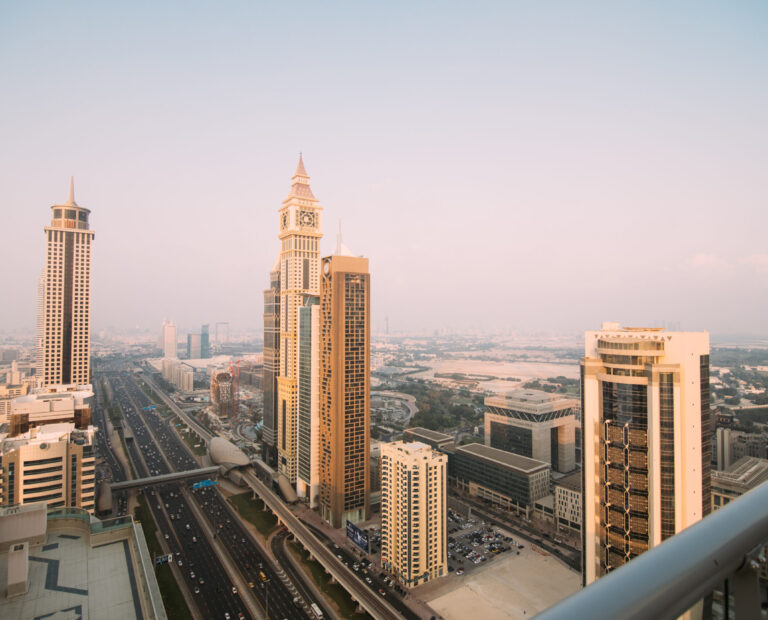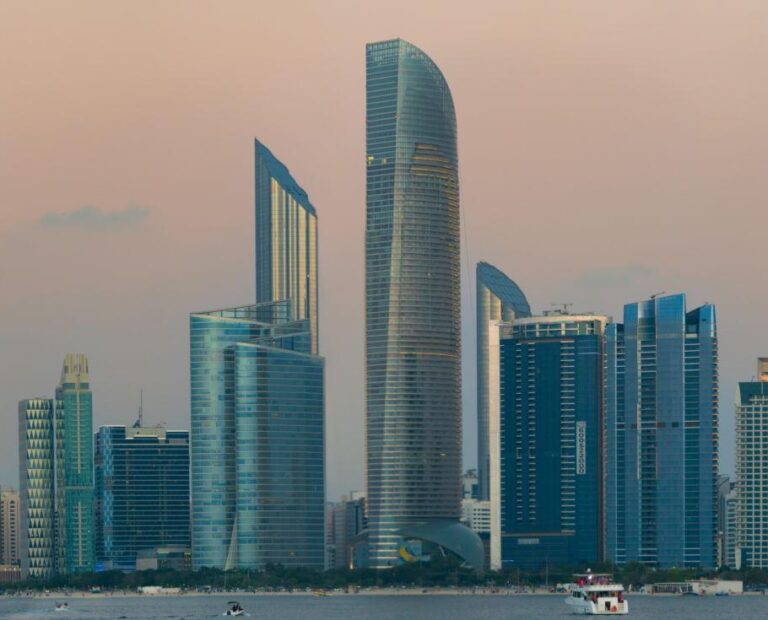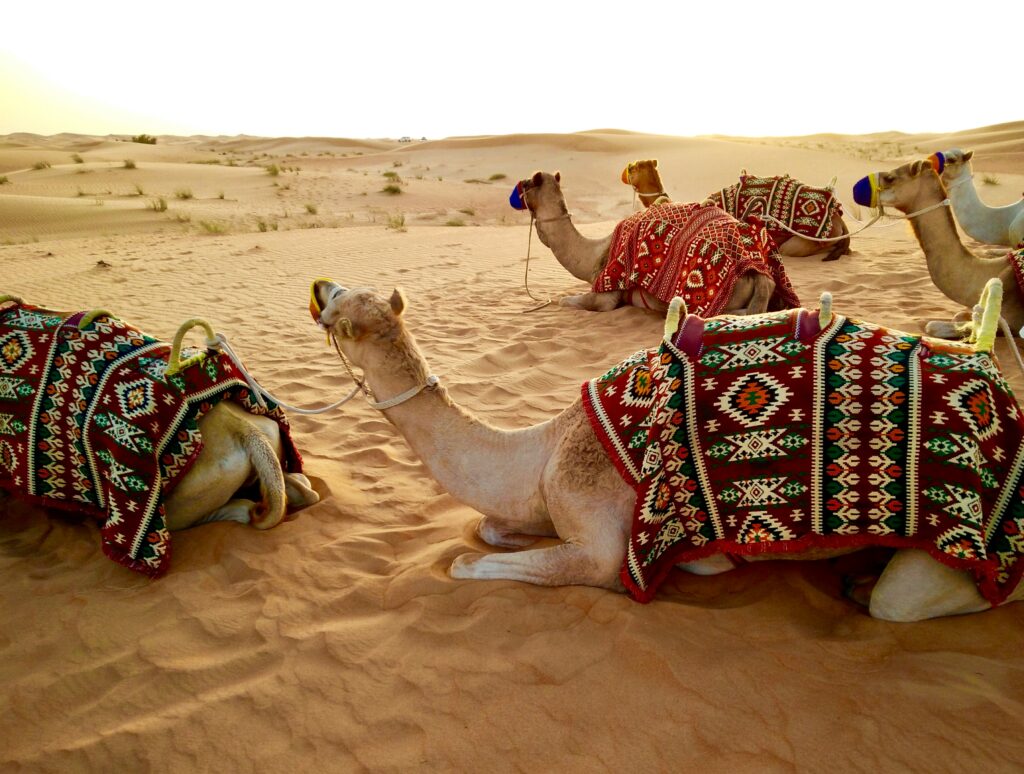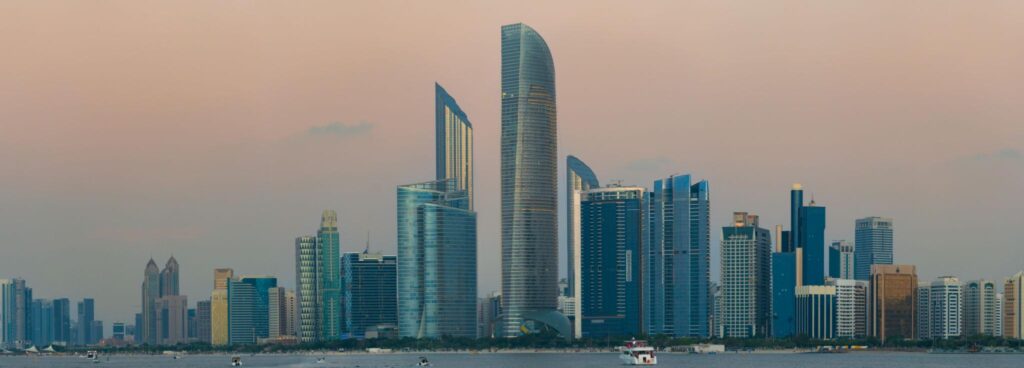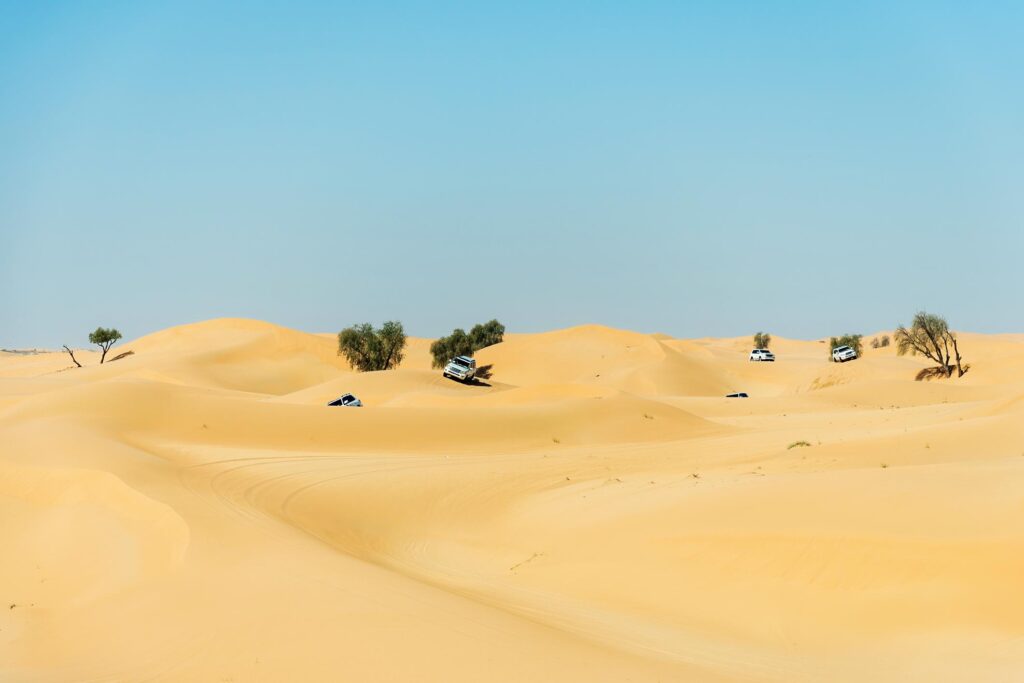
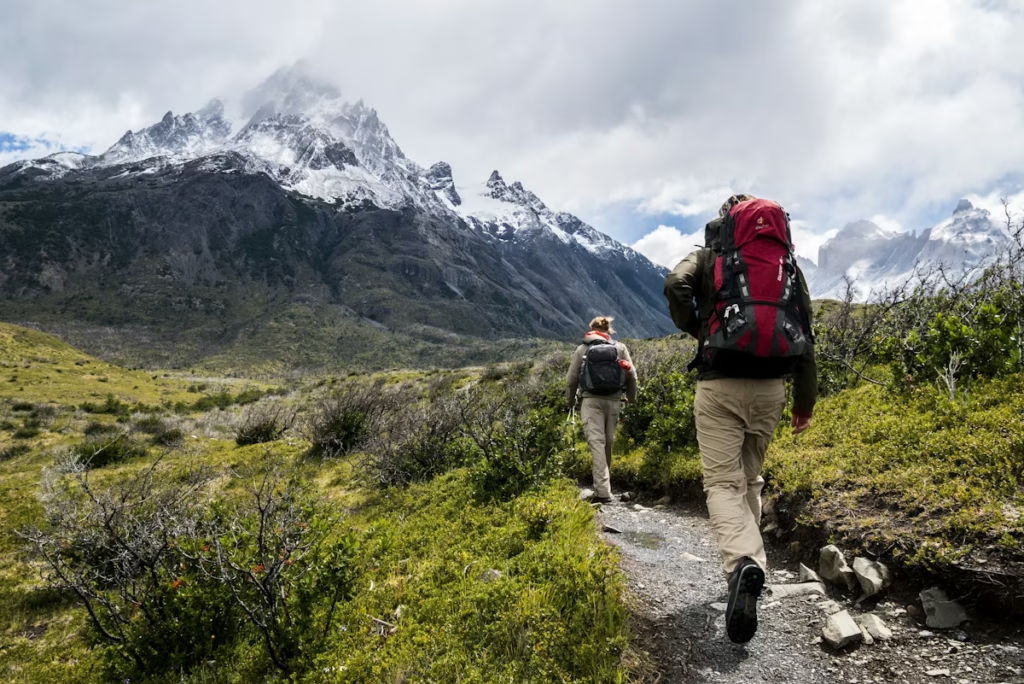

While Dubai dazzles with futuristic skyscrapers and Saudi Arabia builds megacities, Oman has quietly perfected authentic Arabian travel. By 2026, this Sultanate offers what others cannot: vast empty deserts, fjords rivaling Norway’s, mountains touching 3,000 meters, and a culture preserved with intention. This guide reveals Oman beyond the cruise ship day trips—a destination for travelers seeking roads less traveled.
Why Oman in 2026 is Different
Oman’s 2040 Vision has transformed infrastructure while protecting heritage. New highways connect once-remote areas, e-visas process in 24 hours for 103 nationalities, and sustainable tourism regulations ensure authentic experiences remain. Unlike its neighbors, Oman restricts hotel heights, mandates traditional architecture, and preserves natural landscapes with enforced protection zones.
“Oman feels like the Arabia of imagination,” says veteran explorer Mark Evans. “Where the UAE builds upward, Oman builds outward—into its landscapes and traditions.”
The Ultimate 7-Day Oman Itinerary
Days 1-2: Muscat to Jebel Akhdar
Begin in Muscat, where traditional white buildings meet the Gulf of Oman. Visit the Sultan Qaboos Grand Mosque (open to non-Muslims 8-11 AM except Fridays), then explore Mutrah Souq’s labyrinthine alleys. Reserve afternoon entry to the Royal Opera House for architectural tours.
Evening: Dine at Turkish House Restaurant in Sidab for fresh seafood with port views.
Next morning, collect your 4×4 vehicle—essential for Oman adventures. Drive two hours to Jebel Akhdar (Green Mountain), part of the Al Hajar range reaching 2,980 meters. The Saiq Plateau offers year-round temperate climate, with rose gardens in spring and pomegranate harvests in autumn.
Stay: Alila Jabal Akhdar or Anantara Al Jabal Al Akhdar Resort, both offering cliff-edge villas with heating for cool mountain nights.
Days 3-4: Nizwa Fort & Wahiba Sands
Descend to Nizwa, Oman’s 6th-century capital. Friday mornings feature the livestock market where Bedouin traders sell goats and cattle. Nizwa Fort’s newly restored museum showcases Omani weaponry and craftsmanship.
Pro driving tip: Download offline maps via Maps.me—cellular coverage disappears in interior routes.
Afternoon drive to Wahiba Sands (now renamed Sharqiyah Sands). Enter via Bidiyah, airing down tires to 18 PSI for dune driving. Book ahead with Bedouin-run camps like Safari Desert Camp or 1000 Nights Camp for authentic experiences.
Essential: GPS coordinates for your camp—dunes shift and signage is nonexistent.
Days 5-6: Coastal Route to Salalah
This 1,000-kilometer drive reveals Oman’s geographic diversity. Take Route 32 along the Arabian Sea, stopping at:
- Ras al Jinz Turtle Reserve: Night tours to watch green turtles nest (bookings mandatory)
- Wadi Shab: Hike through turquoise pools to hidden waterfall caves
- Sur’s Dhow Shipyard: Watch traditional wooden boats being built
Alternative for less time: Fly Muscat-Salalah via Oman Air (90 minutes, multiple daily flights).
Salalah in 2026 maintains its unique khareef (monsoon) microclimate from June-September, transforming deserts into green landscapes. Visit the Frankincense Land Museum, then drive the mountain road to Mughsail Beach’s blowholes.
Day 7: Return via Empty Quarter
For ultimate adventurers, the Rub’ al Khali (Empty Quarter) offers Earth’s largest sand desert. Join guided convoys from Thumrait—self-driving here requires extensive preparation and satellite communication. Omani Off-Road Adventures provides fully equipped expeditions with experienced Bedouin navigators.
Off-Road Routes Rated by Difficulty
Beginner (2WD capable):
- Muscat to Sur coastal road: Paved with spectacular sea views
- Jebel Akhdar access road: Steep but paved since 2015
- Salalah mountain route: Well-maintained during dry season
Intermediate (4WD required):
- Wadi Bani Khalid to Wahiba Sands: Mixed gravel and sand
- Jebel Shams balcony walk access: Rough mountain tracks
- Masirah Island beach driving: Tidal knowledge essential
Expert (Guided tours recommended):
- Empty Quarter crossings: 3-5 day expeditions
- Musandam Peninsula fjord routes: Technical mountain passes
- Southern coastal track to Yemen border: Remote with limited supplies
For guided off-road tours across Oman’s challenging terrain, Offroad Tourism provides expert-led expeditions with recovery equipment and cultural insights.
Omani Cultural Essentials
Dress Code Practicalities
While Oman is conservative, practical considerations override strict interpretations. Women should carry a lightweight headscarf for mosque visits but can wear normal hiking attire elsewhere. Men avoid shorts in urban areas—lightweight cotton trousers work better in desert heat anyway.
Photography Etiquette
Omanis generally welcome photography but ask permission first, especially in rural areas. Never photograph military installations, airports, or locals without explicit consent. Drone permits require Civil Aviation Authority approval applied for 30 days pre-arrival.
Friday Considerations
Everything closes 11 AM-4 PM for prayers and family time. Plan driving days or nature activities during these hours. Hotels and emergency services operate normally.
Seasonal Planning Guide
October-April: Peak season with 25-30°C daytime temperatures. Book accommodations three months ahead, especially for mountain resorts. December-January sees European holiday crowds.
May-September: Interior temperatures reach 45°C+ but coastal Salalah enjoys 30°C with monsoon greenery. Perfect for Salalah visits but avoid desert camping. Hotel rates drop 40%.
Special Events:
- January: Muscat Festival (cultural performances, traditional markets)
- July-September: Salalah Tourism Festival (khareef season celebrations)
- November: Oman Desert Marathon (450km ultra-marathon in Empty Quarter)
Budget Breakdown for 2026
Economy (per person):
- Accommodation: OMR 20-30/night (guesthouses, basic hotels)
- Food: OMR 8-12/day (local restaurants, supermarket supplies)
- Car rental: OMR 15-25/day (2WD compact)
- Fuel: OMR 50-70/week
- Activities: OMR 30-50 (selected entries, one guided tour)
- Weekly total: OMR 450-600
Comfort (per person):
- Accommodation: OMR 40-70/night (4-star, desert camps)
- Food: OMR 15-25/day (mixed local and international)
- Car rental: OMR 35-50/day (4WD SUV)
- Fuel: OMR 70-100/week
- Activities: OMR 80-120 (multiple tours, experiences)
- Weekly total: OMR 800-1,100
Luxury (per person):
- Accommodation: OMR 100+/night (5-star resorts, luxury camps)
- Food: OMR 30+/day (fine dining, private chefs)
- Private guide/driver: OMR 150-200/day
- Activities: OMR 150+ (helicopter tours, exclusive access)
- Weekly total: OMR 2,000+
Essential 2026 Updates
Visa Changes: GCC residents can now obtain Oman e-visas in 4 hours. UK, US, EU, Australian, and Japanese passport holders receive 14-day visa-free entry extendable to 30 days online.
New Infrastructure:
- Batinah Expressway: Reduces Muscat to UAE border to 2 hours
- Salalah Airport Expansion: New international terminals open late 2025
- Duqm Port Development: Cruise ship facilities operational early 2026
Sustainability Regulations: Single-use plastics banned nationwide. Protected area fees fund conservation (OMR 2-5 per site). Camping requires permits in most regions—apply via Ministry of Tourism app.
Packing List for Oman 2026
Essential Gear:
- Sun protection (SPF 50+, hats, UV-blocking clothing)
- Sturdy hiking shoes and sand-resistant footwear
- Universal power adapter (UK-style sockets with 240V)
- Portable power bank (charging opportunities limited in deserts)
- Basic first aid kit including rehydration salts
- Physical maps as backup to digital navigation
Vehicle Essentials:
- Tire pressure gauge and portable compressor
- Extra drinking water (minimum 10 liters per person)
- Satellite phone or Garmin inReach for remote areas
- Sand tracks and recovery equipment if self-driving deserts
Cultural Items:
- Modest clothing for mosque visits
- Small gifts for Bedouin hospitality (dates, Arabic coffee)
- Phrasebook or translation app for basic Arabic
Health & Safety Considerations
COVID-19 Protocols: No testing or vaccination requirements remain, but travel insurance covering medical evacuation is recommended.
Desert Driving Safety:
- Travel in pairs of vehicles minimum
- Inform someone of your route and expected return
- Carry extra fuel (stations every 200km on main routes)
- Avoid driving 12-3 PM when heat affects vehicle performance
Medical Facilities: Modern hospitals in Muscat and Salalah, basic clinics in regional centers. European Health Insurance Card not valid—ensure insurance covers Oman specifically.
Oman delivers what increasingly homogenized travel often lacks: genuine discovery, cultural integrity, and landscapes untouched by mass tourism. As development accelerates elsewhere in the Gulf, Oman’s commitment to measured growth preserves its soul while welcoming visitors to experience authentic Arabia.
Book your Oman adventure through our partners at Offroad Tourism for expert-guided expeditions, or explore self-drive options with comprehensive planning assistance.