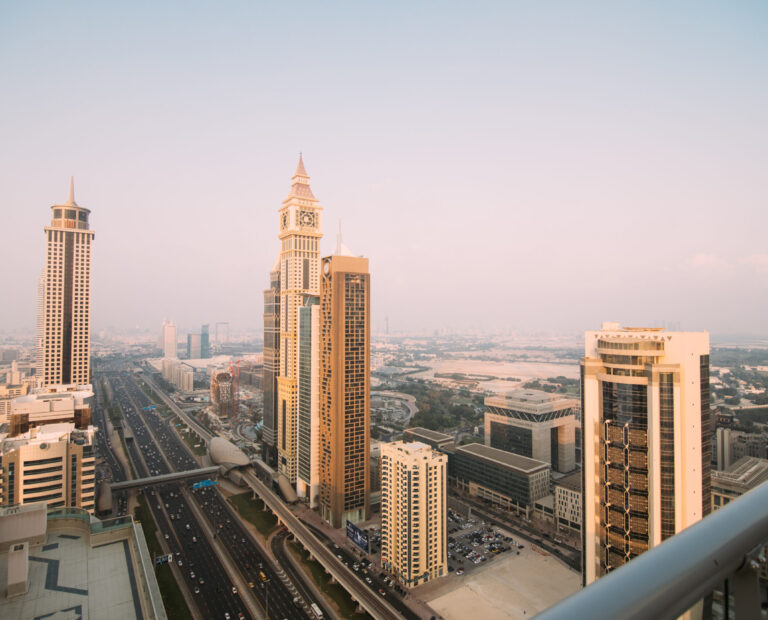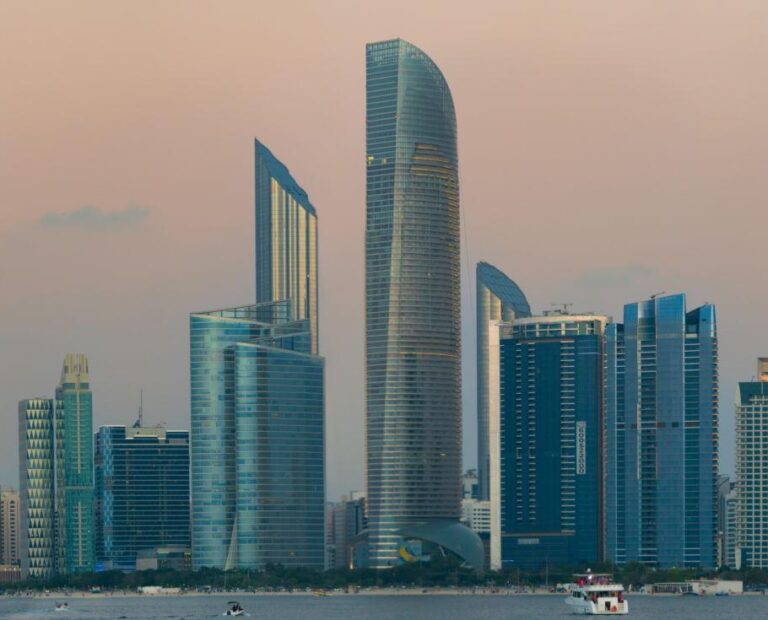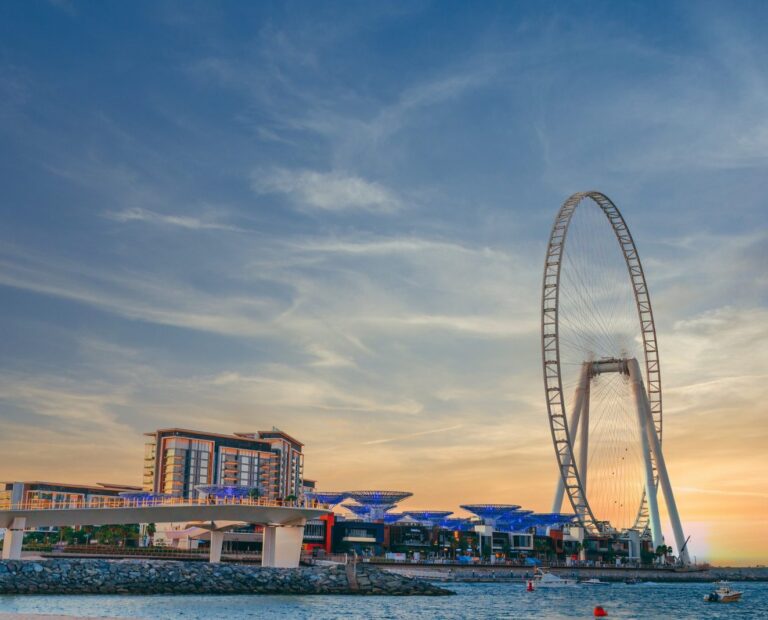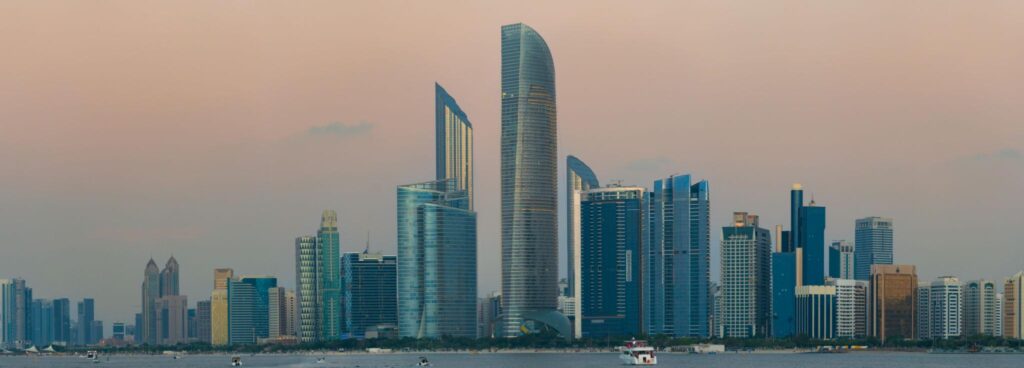



While Silicon Valley continues its dominance, a new tech powerhouse has emerged from the Arabian desert. By 2026, the Gulf Cooperation Council nations have transformed from oil-dependent economies into global technology innovation hubs. With the UAE ranking 1st in the Arab world and 11th globally in the Global Innovation Index, and Saudi Arabia’s technology sector growing at 300% the global average, the region’s tech revolution is reshaping everything from daily life to international business paradigms.
The Desert Tech Ecosystem Maturation
Startup Evolution: From Funding to Scaling
The Gulf startup scene has matured beyond initial hype:
2026 Investment Landscape:
- Total VC Funding: $4.2 billion annually across GCC
- Unicorn Count: 12 Gulf-born startups valued over $1 billion
- Exit Success: 45 significant acquisitions by global tech giants
- Government Matching: 1:1 investment programs in priority sectors
Success Stories:
- Saudi’s Salla: E-commerce platform now serving 12 Arab countries
- UAE’s Kitopi: Could kitchen model expanding to 8 countries
- Qatar’s Snoonu: Delivery platform diversifying into fintech
- Oman’s Malaeb: Sports tech company with global partnerships
Specialized Tech Hubs
Beyond Dubai Internet City, specialized clusters have emerged:
Climate Tech Valley (Abu Dhabi):
- Focus: Extreme environment technology
- Innovations: Solar desalination, sand-resistant robotics, heat-tolerant electronics
- Global Partnerships: MIT, ETH Zurich, Tsinghua University
Islamic Fintech District (Bahrain):
- Focus: Sharia-compliant financial technology
- Regulations: First comprehensive Islamic fintech framework
- Products: Digital sukuk, blockchain-based zakat distribution, ethical robo-advisors
Space Innovation Zone (Riyadh):
- Focus: Space technology commercialization
- Projects: Desert-based Mars simulation facilities, small satellite manufacturing
- Partnerships: NASA, ESA, UAE Space Agency collaboration
Breakthrough Technologies Born in the Gulf
Solar Innovation Beyond Panels
The GCC’s abundant sunshine has sparked solar innovations unimaginable elsewhere:
Concentrated Solar Power 3.0:
- Location: Dubai Solar Park (Phase 5 complete)
- Innovation: Molten salt storage providing 24/7 power
- Capacity: 5,000 MW, powering 1.3 million homes
- Cost: 2.9 cents/kWh – world’s cheapest solar energy
Solar Cooling Systems:
- Traditional Arabic architectural principles combined with modern materials
- Building-integrated solar absorption chillers
- 70% reduction in AC energy consumption
- Mandatory in all new government buildings
Water Technology Revolution
Facing the world’s most severe water scarcity, Gulf nations lead in conservation tech:
Atmospheric Water Generation:
- Scale: Community-level systems in remote areas
- Efficiency: 10 liters/kWh using desert-optimized designs
- Integration: Combined with traditional fog catching techniques
- Deployment: 500+ systems across GCC rural communities
AI-Optimized Irrigation:
- Soil moisture and weather prediction integration
- 40% water reduction in agriculture
- Date palm yield increase of 25%
- Open-source platform shared with other arid regions
Extreme Environment Robotics
The harsh desert climate has driven unique robotics development:
Sand-Resistant Systems:
- Self-cleaning mechanisms for sensors and joints
- Heat dissipation technologies for 50°C+ operation
- Sandstorm navigation algorithms
- Applications: Infrastructure inspection, agriculture, search and rescue
Desert Conservation Robots:
- Autonomous wildlife monitoring
- Invasive species detection and removal
- Water source protection patrols
- Data collection for climate research
Digital Infrastructure Leapfrogging
6G Pilot Networks
While the world adopts 5G, the Gulf is testing next-generation connectivity:
UAE’s 6G Testbed:
- Speed: 1 terabit/second peak rates
- Latency: <1 millisecond
- Coverage: 98% of populated areas by 2027 target
- Applications: Holographic communication, tactile internet, brain-computer interfaces
Saudi’s NEOM 6G Deployment:
- First fully 6G-powered city
- Integrated with cognitive city infrastructure
- Zero-latency requirements for autonomous systems
- Global standards contribution from desert environment learnings
Satellite Internet Constellations
Complementing terrestrial networks:
Yahsat’s Advanced Constellation:
- 8 new high-throughput satellites launched 2025
- Coverage: Middle East, Africa, Central Asia
- Focus: Rural and remote area connectivity
- Specialization: Desert and marine environment optimization
Qatar’s O3b mPOWER Expansion:
- Medium earth orbit network enhancement
- Low-latency services for financial institutions
- Maritime and aviation connectivity focus
- Backup for critical infrastructure
Artificial Intelligence with Gulf Characteristics
Arabic Language AI Maturity
After years of development, Arabic AI has reached parity:
Breakthroughs:
- Dialect Recognition: 22 Arabic dialects with 95% accuracy
- Cultural Context Understanding: Religious, social, and historical nuance comprehension
- Real-Time Translation: Speech-to-speech with Gulf accent preservation
- Content Generation: AI writers producing culturally appropriate Arabic content
Applications:
- Digital assistants understanding Gulf idioms
- Educational tools for Arabic language preservation
- Legal document analysis across Arab jurisdictions
- Media monitoring with cultural sensitivity filters
Ethical AI Framework
The GCC has developed unique AI ethics guidelines:
Principles:
- Cultural Preservation: AI must respect and reinforce Arab cultural values
- Climate Responsibility: AI development must consider environmental impact
- Intergenerational Equity: Benefits must span current and future generations
- Islamic Ethics Integration: Alignment with Islamic principles on privacy, fairness, and accountability
Implementation:
- Mandatory ethics review for government AI projects
- Certification program for ethical AI developers
- Public consultation platform for AI policy
- Cross-GCC ethics committee establishment
Cybersecurity Evolution for Digital Nations
Sovereign Cloud Mandates
2026 sees full implementation of data sovereignty requirements:
National Cloud Platforms:
- UAE: G42 Cloud (AI-optimized infrastructure)
- Saudi: SITE Cloud (Vision 2030 aligned services)
- Qatar: Meeza Expansion (Enhanced capabilities)
- Regional: Gulf Cloud Interconnection for cross-border services
Requirements:
- Government data must reside on national clouds
- Critical infrastructure protection standards
- Regular sovereign cybersecurity audits
- Local talent development requirements
Quantum-Resistant Cryptography
Anticipating future threats:
GCC Quantum Initiative:
- $500 million investment across member states
- Focus: Post-quantum cryptography standardization
- Early adoption in government and financial sectors
- Research partnerships with global quantum leaders
The Future Workforce: Education Transformation
Tech Education Revolution
Traditional education systems redesigned for tech economy:
New Institutions:
- Mohammed bin Zayed University of Artificial Intelligence: First graduate-level AI university
- NEOM Tech & Design University: Problem-based learning for future challenges
- Qatar Computing Research Institute Expansion: Focus on Arabic language computing
- Oman’s Desert Tech Academy: Specialization in extreme environment technology
Curriculum Innovations:
- Coding integrated with Arabic language studies
- Ethics embedded in all technology courses
- Climate tech specialization tracks
- Entrepreneurial mindset development from primary levels
Global Talent Attraction 2.0
Evolving beyond traditional expatriate models:
Tech Talent Visa Programs:
- Fast-track processing (48 hours)
- Multiple-entry GCC access
- Family inclusion with education provisions
- Path to permanent residency for exceptional contributors
Remote Work Integration:
- Digital nomad communities in heritage areas
- Coworking spaces with cultural immersion programs
- Cross-GCC remote work agreements
- Tax incentives for tech professionals
Challenges and Strategic Responses
Climate Impact on Tech Infrastructure
Extreme heat requires unique solutions:
Adaptations:
- Underground data centers using natural geothermal cooling
- Liquid immersion cooling for high-performance computing
- Peak load shifting to cooler night hours
- Renewable energy integration reducing heat generation
Digital Divide Reduction
Ensuring inclusive tech benefits:
Initiatives:
- Rural connectivity through hybrid satellite-terrestrial networks
- Affordable device programs with localized content
- Digital literacy programs in Arabic and local dialects
- Assistive technology development for people with disabilities
Looking Ahead: 2027-2030 Technology Horizons
Emerging Frontiers:
- Neuromorphic Computing: Brain-inspired chips for edge AI in remote locations
- Biodegradable Electronics: Reducing e-waste in sensitive desert ecosystems
- Atmospheric Energy Harvesting: Capturing static electricity from desert winds
- Coral Reef Digital Twins: Virtual models for Red Sea and Gulf marine conservation
- Sand-Based Computing: Utilizing desert sand for silicon alternatives
Strategic Priorities:
- Achieving global leadership in climate technology
- Creating Arabic-language digital public goods
- Establishing GCC technology standards with global influence
- Balancing technological advancement with cultural preservation
The Gulf technology revolution of 2026 demonstrates that innovation thrives not despite challenging environments, but because of them. The extreme conditions of the Arabian desert have catalyzed breakthroughs in solar power, water conservation, and heat-resistant electronics that now benefit the world. As the region continues its transformation from oil wealth to knowledge economy, its unique combination of ambitious vision, substantial investment, and necessity-driven innovation positions the Gulf as a global technology leader for the coming decade.