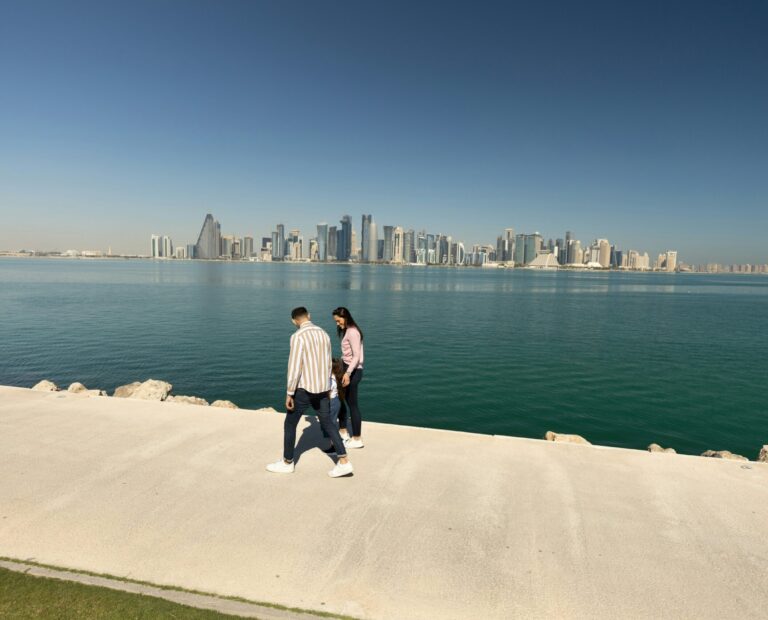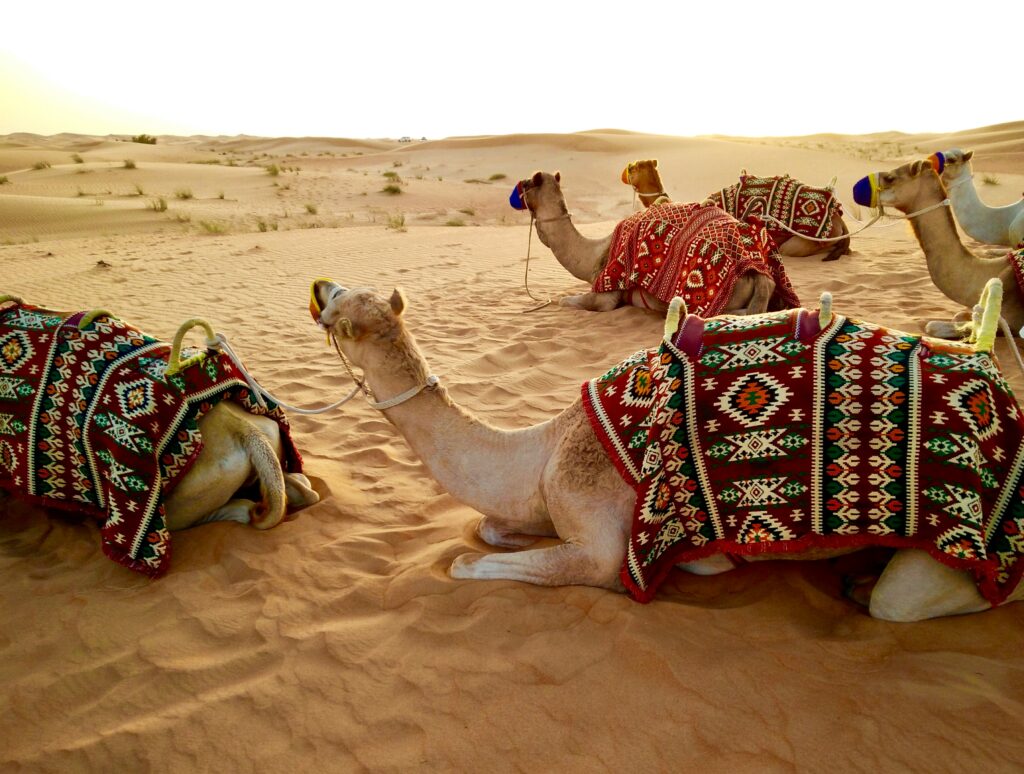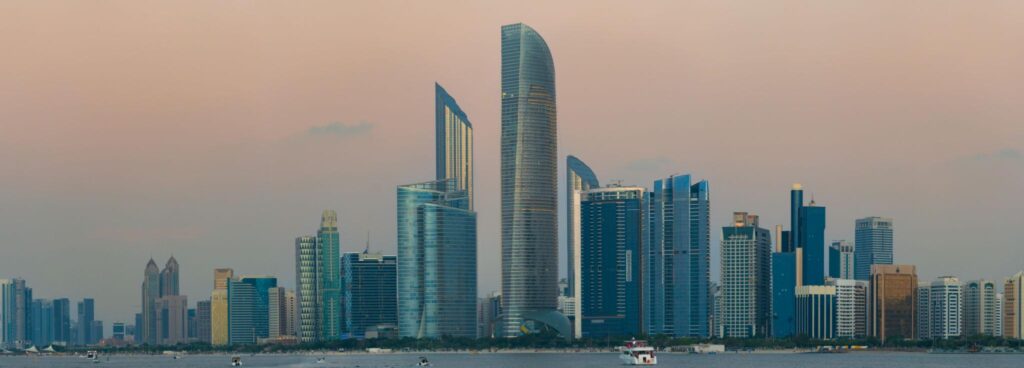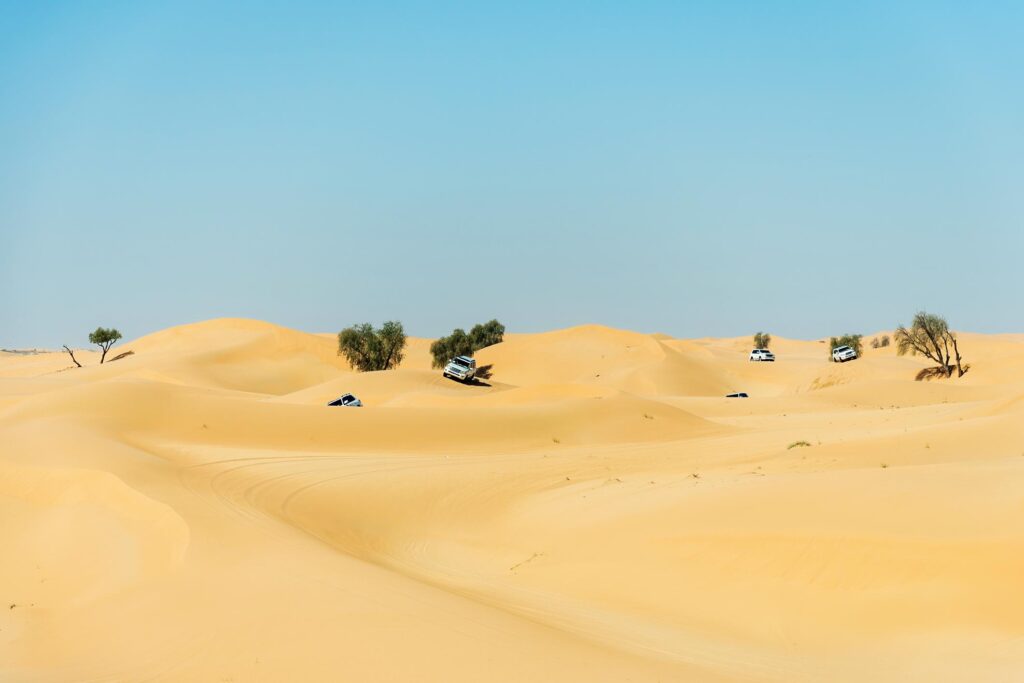
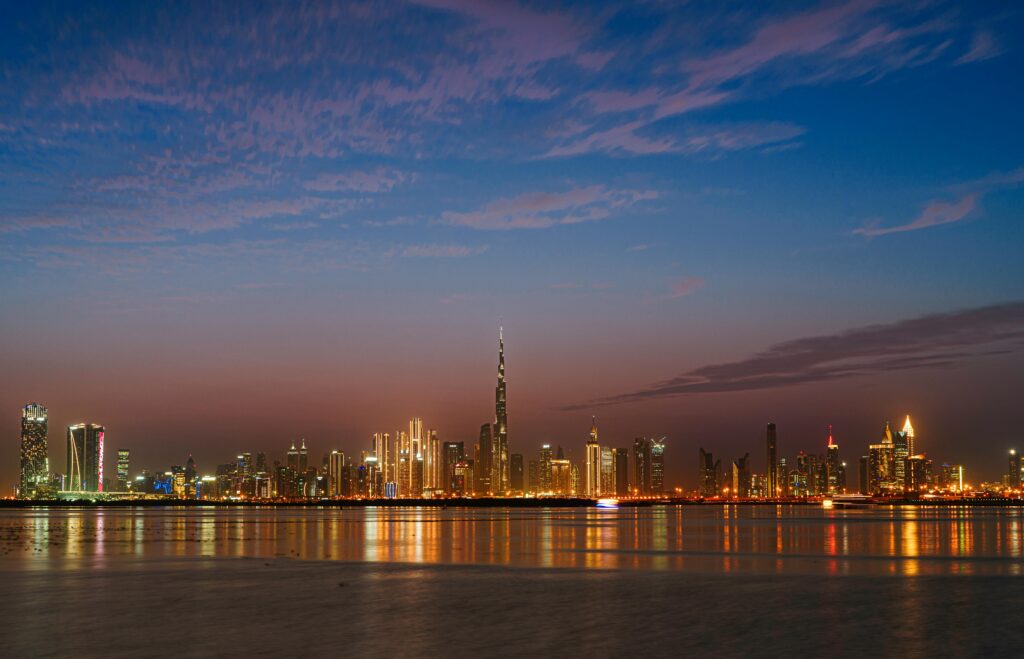

As Gulf nations aggressively pursue tourism diversification under their national visions, a new real estate category has emerged: tourism-focused residential properties. These aren’t traditional hotels or standard apartments, but hybrid developments designed for both local residents and short-term visitors, creating unprecedented investment opportunities across the GCC in 2026.
The Tourism-Residential Hybrid Model
What Defines Tourism-Focused Properties in 2026:
Key Characteristics:
- Dual Licensing: Properties hold both residential and tourism licenses
- Flexible Use: Owners can reside personally or rent through approved platforms
- Hotel-Grade Management: Professional services while maintaining residential feel
- Tourism Infrastructure: Built-in tour desks, multi-language support, experience booking
2026 Regulatory Framework:
Each GCC nation has developed specific regulations:
UAE’s “Holiday Homes 2.0” License:
- Properties must meet specific quality standards
- Mandatory participation in sustainability programs
- Required local management company partnership
- Tourism tax collection integration
Saudi Arabia’s “Visitor Residence Certificate”:
- Part of Vision 2030 tourism acceleration
- Simplified licensing for qualified developments
- Connection to Nusuk platform (national tourism system)
- Cultural sensitivity training for property managers
Emerging Investment Hotspots
1. Dubai’s “Experience Districts”
Dubai Islands (Formerly Deira Islands):
- Focus: Marine and beach tourism residences
- 2026 Completion: 70% of Phase 1 now operational
- Average ROI: 7.2% for tourism rentals
- Unique Feature: Each island has distinct theme (Adventure, Wellness, Cultural)
Dubai Urban Tech District:
- Focus: Tech-savvy business travelers
- Smart Features: AI concierge, remote work optimization, VR meeting rooms
- Target Audience: Digital nomads, tech conference attendees
- Rental Premium: 15-20% above traditional properties
2. Saudi Arabia’s Giga-Project Residential Opportunities
NEOM’s Sindalah Island:
- Launch: Q4 2025, fully operational 2026
- Property Types: Luxury villas with guaranteed rental pools
- Minimum Investment: $2 million
- Tourism Integration: Automatic inclusion in NEOM experience packages
Red Sea Project Amaala:
- Focus: Wellness and arts tourism
- Property Concept: “Artist and Healer Residences”
- Rental Management: Curated by leading hospitality brands
- Sustainability Requirement: Net positive energy and water
3. Qatar’s Post-2022 Evolution
Lusail’s “Smart Tourism Residences”:
- Technology: Full IoT integration, facial recognition access
- Tourism Features: Built-in augmented reality city tours
- Management: Qatar Tourism Authority approved operators only
- 2026 Enhancement: FIFA legacy conversion to multi-sport tourism
4. Oman’s Sustainable Tourism Properties
Al Baleed Resort at Salalah:
- Focus: Cultural and ecological tourism
- Property Design: Traditional Omani architecture with modern sustainability
- Khareef Season: 200% rental premium during monsoon season
- Community Integration: Required local employment and supplier percentages
Investment Structures for 2026
1. Fractional Ownership Models
New for 2026: GCC-regulated fractional ownership platforms
How It Works:
- Property divided into 8-12 shares
- Each share gives 4-6 weeks usage annually
- Professional management handles rentals remaining time
- Digital platform for share trading
Example:
- Property Value: $1.2 million
- Share Price: $150,000
- Guaranteed Usage: 6 weeks/year
- Projected Rental Income: $15,000-20,000 per share annually
2. REITs Focused on Tourism Real Estate
New GCC Tourism REITs:
- Dubai Tourism REIT: 15 properties across experience categories
- Saudi Heritage REIT: Historical property conversions
- Gulf Coastal REIT: Beach and marina properties
- Average Dividend Yield 2026: 5.8-7.2%
3. Build-to-Rent Tourism Communities
Developer-Managed Rentals:
- Entire communities designed for short-term stays
- Centralized experience booking
- Shared amenities (co-working, pools, tour desks)
- Branded by hospitality companies (Marriott Homes, Hilton Living)
Technology Transforming Tourism Real Estate
1. AI-Powered Dynamic Pricing
2026 Systems:
- Real-time adjustment based on:
- Local events and conferences
- Weather patterns
- Competitor pricing
- Booking pace algorithms
- Integration with airline and tourism bureau data
2. Smart Home Tourism Features
Mandatory in New Developments:
- Multi-language voice assistance
- Automated check-in/check-out
- Virtual tour guides within property
- Cultural customization (prayer time alerts, local customs guidance)
3. Blockchain for Property Management
Implementation:
- Smart contracts for rental agreements
- Transparent fee structures
- Automated tourism tax calculations
- Secure digital identity for guests
Regulatory Landscape Changes for 2026
Taxation Updates:
- UAE: Tourism tax reduced to 5% for sustainable properties
- Saudi: 10-year tax holiday for qualifying tourism developments
- Qatar: VAT exemption on tourism property services
- Oman: Reduced property registration fees for tourism-designated areas
Ownership Rules:
- 100% Foreign Ownership: Now available in most GCC tourism zones
- Golden Visa Links: Property investment thresholds reduced for tourism properties
- Inheritance Laws: Clearer frameworks for foreign owners
- Exit Strategies: Established secondary markets for tourism property shares
Risk Assessment for 2026
Opportunities:
- Tourism Growth: GCC targeting 160 million visitors annually by 2030
- Event Calendar: Expo 2030 preparations, FIFA 2034 bidding
- Infrastructure Investment: $500+ billion in tourism infrastructure
- Diversification Need: Reducing oil dependence accelerating tourism development
Challenges:
- Market Saturation: Some segments becoming competitive
- Regulatory Changes: Rapidly evolving legal frameworks
- Seasonality: Managing occupancy in extreme summer months
- Cultural Adaptation: Balancing tourist expectations with local norms
Future Trends Beyond 2026
Predictions for 2027-2030:
- Space Tourism Integration: Properties near spaceports emerging
- Health Tourism Residences: Medical recovery-focused properties
- Generational Tourism Properties: Multi-generational family vacation homes
- Metaverse Physical Twins: Properties existing in both physical and virtual realms
- Climate-Adaptive Design: Properties adjusting to changing environmental conditions
Sustainability Mandates:
By 2030, GCC tourism properties will require:
- Net zero carbon operations
- 100% water recycling capabilities
- Circular economy integration
- Biodiversity net positive impact
Investment Recommendations for Different Profiles
For Conservative Investors:
- Focus: Established markets (Dubai Marina, Doha West Bay)
- Strategy: REITs and fractional ownership
- Hold Period: 5-7 years
- Expected ROI: 5-6% annually
For Growth Investors:
- Focus: Emerging giga-projects (NEOM, Red Sea Project)
- Strategy: Direct ownership with management agreements
- Hold Period: 3-5 years
- Expected ROI: 8-12% annually
For Impact Investors:
- Focus: Sustainable and community-integrated properties
- Strategy: Partnership with local developers
- Hold Period: 7-10 years
- Expected ROI: 4-6% plus social impact returns
Due Diligence Checklist for 2026
Before Investing:
- Verify Licenses: Both real estate and tourism approvals
- Management Review: Experience with tourism properties
- Market Analysis: Occupancy rates in similar properties
- Exit Strategy: Resale market existence and liquidity
- Tax Implications: Full understanding of liabilities
- Insurance: Specialized tourism property coverage availability
The tourism-focused real estate market in the Gulf represents one of the most dynamic investment opportunities of the decade. As traditional boundaries between hospitality and residential blur, properties that successfully integrate authentic experiences with modern comfort will command premium returns while contributing to the region’s economic transformation.