
UAE Business Landscape
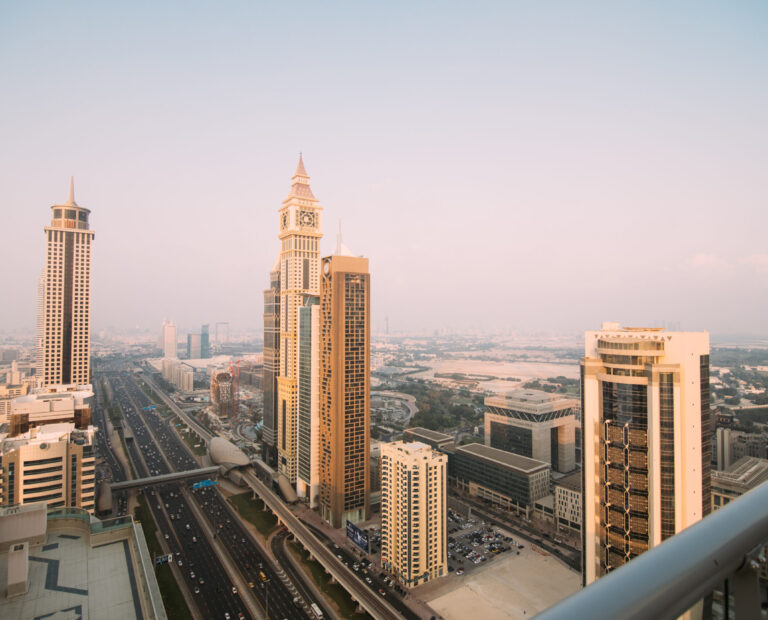
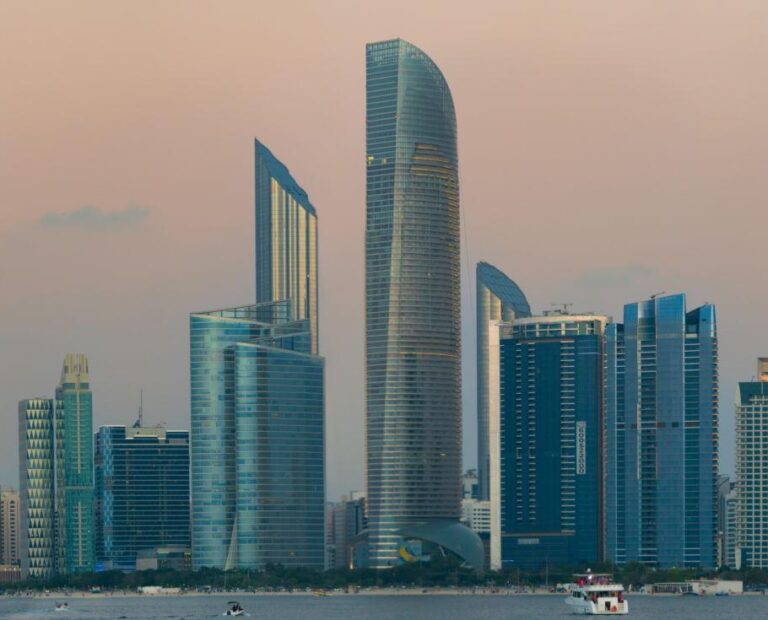
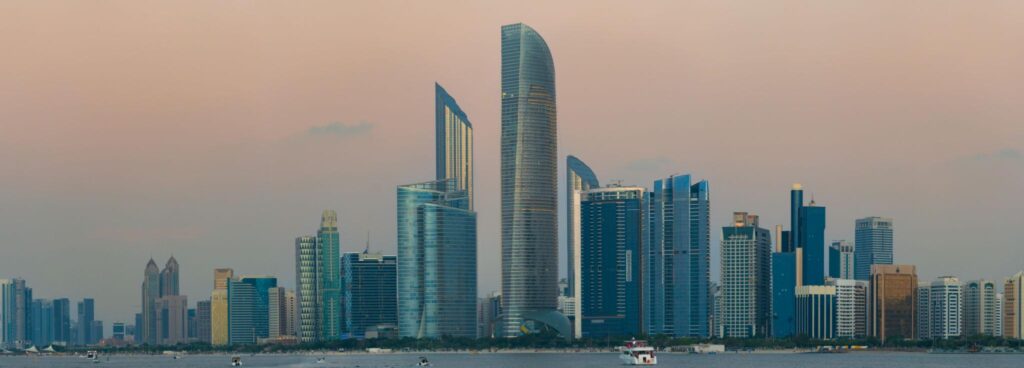
The UAE’s business environment has evolved dramatically by 2026, moving beyond oil dependency to establish itself as a global nexus for technology, sustainable energy, and innovative entrepreneurship. With Abu Dhabi’s Masdar City becoming a green technology exporter and Dubai’s DIFC expanding its fintech dominance, the Emirates offer unparalleled opportunities for forward-thinking enterprises.

Economic Vision Realized: 2026 Transformations
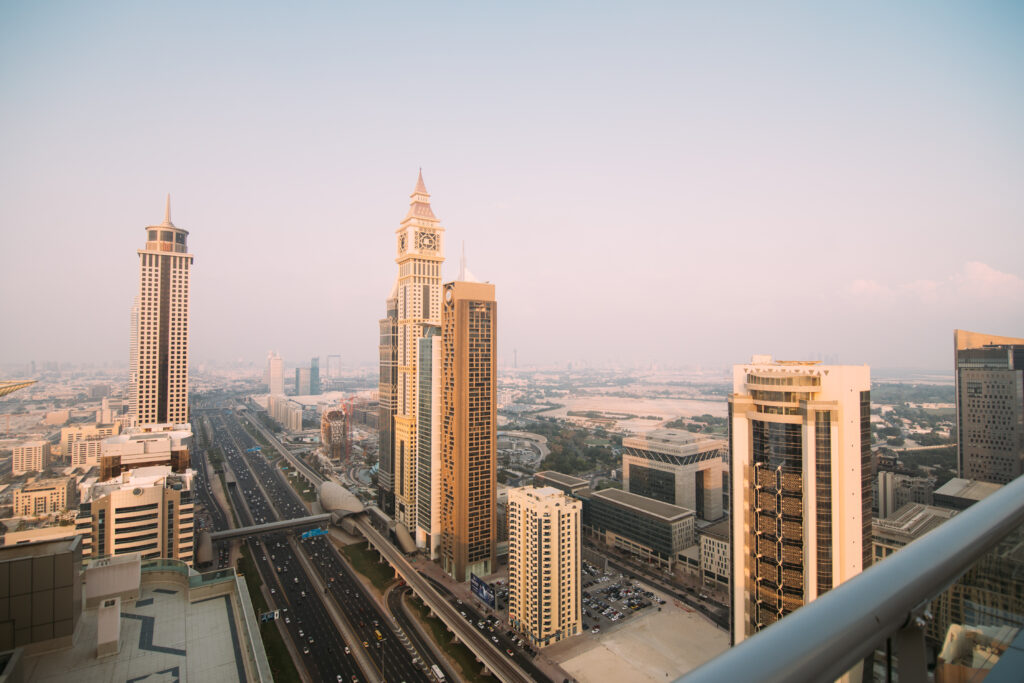
Dubai’s Digital Economy Leap
Dubai’s 2025 Digital Economy Strategy has borne fruit, with the sector contributing 25% to GDP by 2026—exceeding the 20% target. The Dubai International Financial Centre now hosts over 1,000 fintech companies, making it the largest concentration outside Silicon Valley and Singapore.
Key 2026 Developments:
- DIFC’s $400 million Fintech Fund now in its third investment cycle
- Dubai Metaverse Strategy creating 40,000 virtual jobs
- AI Governance Framework attracting ethical AI companies with tax incentives
- Commodities Trading Centre handling 30% of global gold trade digitally
Abu Dhabi’s Green Industrial Revolution
The Abu Dhabi National Oil Company’s 2030 Strategy has accelerated, with $15 billion allocated to hydrogen and carbon capture projects. Masdar City’s third expansion phase adds the Middle East’s first carbon-negative district.
Investment Opportunities:
- Green Hydrogen Export Facilities in Khalifa Industrial Zone
- Sustainable Aviation Fuel production partnerships
- Renewable Energy Desalination technology licensing
- AgriTech Integration with vertical farming in arid conditions
Emerging Business Hubs Beyond Traditional Centers
Sharjah’s Creative & Research District
Sharjah’s $680 million Research, Technology and Innovation Park now houses 300 companies specializing in:
- Islamic finance technology solutions
- Arabic language AI processing
- Heritage preservation technologies
- Sustainable construction materials
Incentives: 100% foreign ownership, 50-year tax exemptions, and fast-tracked golden visas for researchers.
Ras Al Khaimah’s Special Economic Zones
RAK’s Economic Zones Authority has diversified beyond manufacturing to attract:
- Digital Asset Companies: Cryptocurrency mining using excess geothermal energy
- E-gaming Developers: Lower costs than Dubai with similar infrastructure
- Biotech Startups: Leveraging the emirate’s diverse genetic database for research
Unique Offering: The world’s first “Regulatory Sandbox” allowing simultaneous testing under UAE, EU, and US compliance frameworks.
Fujairah’s Commodities & Logistics Expansion
With the world’s third-largest bunkering port, Fujairah has expanded into:
- Green Ammonia Storage for hydrogen transport
- Strategic Food Reserve Facilities with blockchain tracking
- Data Center Campus utilizing cool sea water for natural cooling
- Maritime Cybersecurity services for Indian Ocean shipping lanes
Sector-Specific Opportunities for 2026
Healthcare Innovation
The UAE’s healthcare market reaches $24 billion in 2026, driven by:
- Telemedicine Platforms serving GCC’s 60 million population
- Medical Tourism Facilities attracting European patients for elective procedures
- Genomic Medicine Centers leveraging diverse population for drug trials
- Elderly Care Technologies for the region’s aging expatriate population
Investment Note: Dubai Healthcare City offers 100% ownership, 10-year tax holidays, and streamlined licensing for specialized medical services.
Education Technology
With 60% of UAE’s population under 25, EdTech represents a $3.2 billion market:
- Arabic Language Learning Platforms for global Muslim population
- Corporate Upskilling Solutions for nationalization programs
- Virtual Laboratory Environments for STEM education
- Metaverse Campuses serving international students remotely
Sustainable Transportation
The UAE’s commitment to net-zero by 2050 drives opportunities in:
- Electric Vehicle Infrastructure: 1,000 charging stations planned by 2027
- Autonomous Public Transport: Testing licenses available in designated zones
- Hydrogen Fuel Cell Development: Partnership opportunities with ADNOC
- Urban Air Mobility: Regulations finalized for flying taxi operations
Business Setup Evolution: 2026 Procedures
Company Formation Streamlined
The “UAE Business in 48 Hours” initiative now processes:
- Free Zone Companies: 6-hour approval for standard activities
- Mainland Licenses: 24-hour processing with pre-approved visa quotas
- Professional Licenses: Instant digital issuance for 152 qualifying professions
- Virtual Companies: Residency visas without physical office requirements
Golden Visa Expansion
2026 criteria include:
- Investors: AED 2 million in real estate or AED 500,000 in startup
- Entrepreneurs: Company with annual revenue exceeding AED 1 million
- Professionals: Monthly salary AED 30,000+ in priority sectors
- Students: GPA 3.8+ in UAE universities or top 100 global institutions
- Humanitarian Pioneers: Recognition in sustainability or social impact fields
Taxation Framework Clarity
The 9% corporate tax includes significant exemptions:
- Free Zone Companies: 0% on qualified income through 2030
- Small Businesses: Exempt under AED 1 million revenue threshold
- Green Companies: 50% reduction for sustainability-certified operations
- R&D Intensive: 0% on research expenditure portion of profits
Workforce Dynamics in 2026
Emiratization 2.0
The Nafis program now requires:
- Private Sector: 10% Emirati employment in companies of 50+ employees
- Priority Sectors: 15% in banking, insurance, and commercial agencies
- Leadership Roles: 30% Emirati representation in senior management
- Incentives: Up to AED 72,000 annual subsidy per qualified national employee
Remote Work Revolution
The UAE Remote Work Visa has evolved to include:
- Digital Nomad Package: Includes health insurance, co-working access, banking
- Corporate Remote Teams: Tax advantages for companies employing 10+ remote workers in UAE
- GCC Remote Work Network: Single visa working across all Gulf states
- Freelancer Ecosystem: Simplified invoicing and payment processing
Talent Attraction Innovations
- Global Talent Competitions: Monthly challenges with fast-tracked employment
- AI Recruitment Matching: Government platform connecting skills with opportunities
- Transition Programs: Retraining oil & gas professionals for renewable sectors
- Academic Partnerships: University-to-industry pathways with guaranteed employment
Financing & Investment Landscape
Venture Capital Growth
UAE-based VC funding reaches $2.5 billion annually, focused on:
- Climate Tech: 40% of total investments
- Fintech: 30% share, particularly in blockchain applications
- Health Tech: 20% growing post-pandemic
- E-commerce Logistics: 10% serving cross-border GCC trade
Government Funding Programs
- Mohammed Bin Rashid Innovation Fund: Matching grants up to AED 2 million
- Abu Dhabi Catalyst Partners: $500 million for late-stage tech companies
- Sharjah Entrepreneurship Center: 0% interest loans for early-stage businesses
- RAK SME Funding: Guarantees for women-led enterprise loans
Islamic Finance Innovation
The UAE leads in Sharia-compliant financial products:
- Green Sukuk: $4.7 billion issued in 2025 for sustainability projects
- Microfinance Solutions: Blockchain-based for transparent distribution
- Crowdfunding Platforms: Regulated equity and debt crowdfunding
- Digital Islamic Banks: Four fully licensed neobanks operating
Challenges & Risk Mitigation for 2026
Market Saturation in Traditional Sectors
Competition intensifies in:
- Food & Beverage: Oversupply in casual dining segments
- Real Estate Agencies: High agent-to-property ratios in certain areas
- General Trading: Margin compression from online platforms
- Basic E-commerce: Dominance by regional giants
Regulatory Compliance Complexity
Businesses must navigate:
- ESG Reporting: Mandatory for companies with 50+ employees
- Data Localization: Specific requirements for financial and health data
- Anti-Money Laundering: Enhanced due diligence for cash-intensive businesses
- Consumer Protection: GCC-wide standards enforcement
Talent Retention Pressures
The “Great Resignation” affects UAE with:
- Salary Inflation: 15-20% increases for specialized tech roles
- Remote Work Expectations: Hybrid models becoming standard
- Regional Competition: Saudi Arabia attracting talent with competitive packages
- Work-Life Balance Demands: Shorter work weeks gaining traction
Strategic Recommendations for Market Entry
Phase 1: Validation (Months 1-3)
- Utilize free zone flexi-desk options for initial presence
- Participate in government accelerator programs
- Conduct pilot projects with UAE entities
- Establish local banking relationships early
Phase 2: Establishment (Months 4-12)
- Graduate to appropriate license based on validated model
- Hire Emirati PRO for government liaison efficiency
- Implement localized marketing strategy
- Develop UAE-specific compliance protocols
Phase 3: Expansion (Year 2+)
- Consider mainland expansion if serving government clients
- Explore GCC-wide operations using UAE as hub
- Pursue government tenders and partnership opportunities
- Invest in Emiratization beyond minimum requirements
The UAE’s business landscape in 2026 offers unprecedented opportunities tempered by increased sophistication. Success requires moving beyond traditional expatriate models to embrace localization, sustainability, and technological integration. As the Emirates continue diversifying beyond oil, businesses that align with national priorities while maintaining global competitiveness will discover one of the world’s most dynamic commercial environments.